
How to Grow and Care for Silver Sword Philodendron Plants
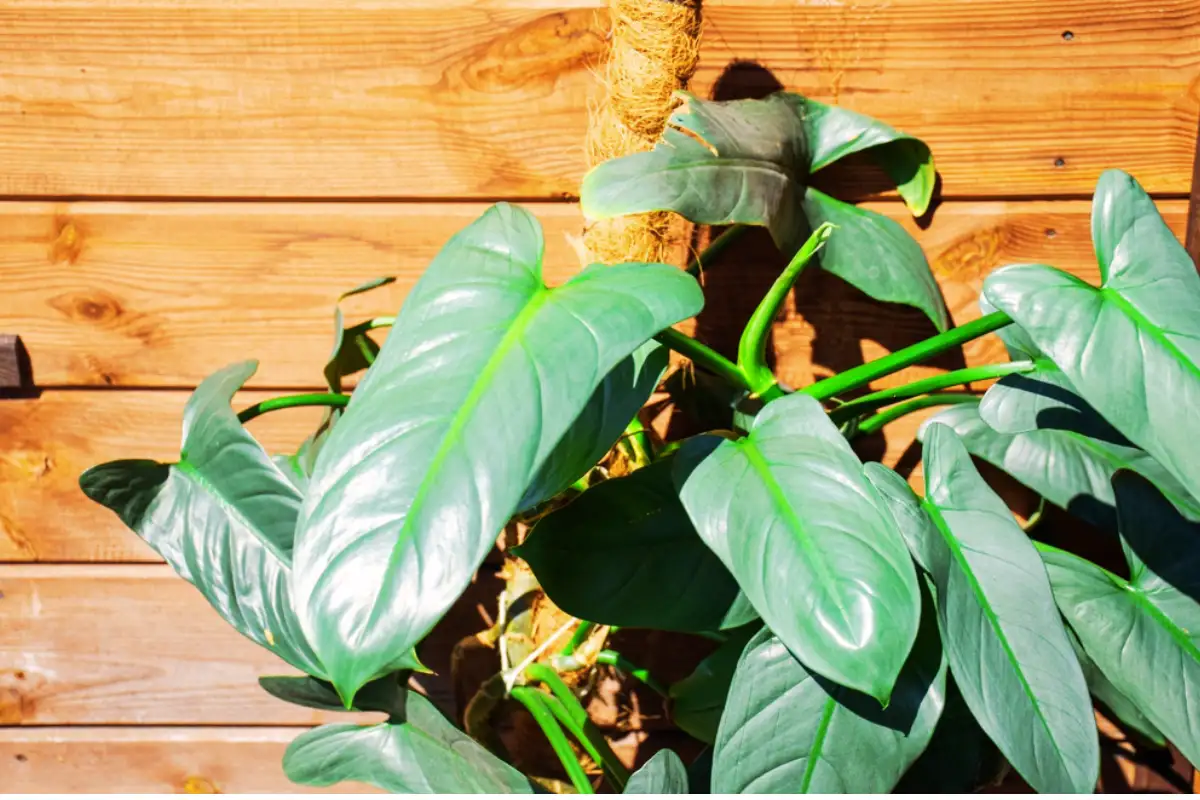
The Philodendron Silver Sword, often known by its common name, stands out with silvery leaves that mature into striking three lobed forms. This stunning aroid plant from the tropical family is a favorite in any collection, though many find it less easy to grow and propagate at home than expected.
While undeniably beautiful, growers often become obsessed with getting conditions right, searching for an answer to asked questions about soil, humidity, and light. This beauty may test your patience, but with the right Philodendron Hastatum caring approach and guidance in this article it can thrive and reward you with lasting charm.
Silver Sword Philodendron: Quick Facts
Aspect | Details |
|---|---|
Scientific Name | Philodendron hastatum |
Common Name | Silver Sword Philodendron |
Family | Araceae |
Plant Type | Perennial |
Mature Size | 4–6 ft. tall |
Sun Exposure | Bright, indirect light |
Soil Type | Well-draining, chunky mix |
Soil pH | Slightly acidic to neutral |
Hardiness Zones | 9–11 (USDA) |
Native Area | South America |
Toxicity | Toxic to pets and humans |
Watering | Moderate |
Temperature | 65°F–85°F |
Humidity | 60%–70% |
Growth Rate | Moderate |
Propagation | Stem cuttings |
Special Features | Silvery-blue leaves |
Spiritual Meaning | Growth, resilience |
Perfect Guide to Philodendron Silver Sword Care
Your Silver Sword Philodendron is a tropical beauty with silvery-blue, sword-shaped leaves that can make any room feel like a jungle paradise. But here’s the thing: even the most stunning plants can be a bit finicky. Maybe you’ve noticed yellow leaves, brown tips, or your plant just doesn’t seem to be growing as fast as you’d like. Sound familiar? Don’t worry—we’ve got you covered. This guide will help you tackle those pain points and turn your Silver Sword into the thriving, show-stopping plant it’s meant to be.
Perfect Light
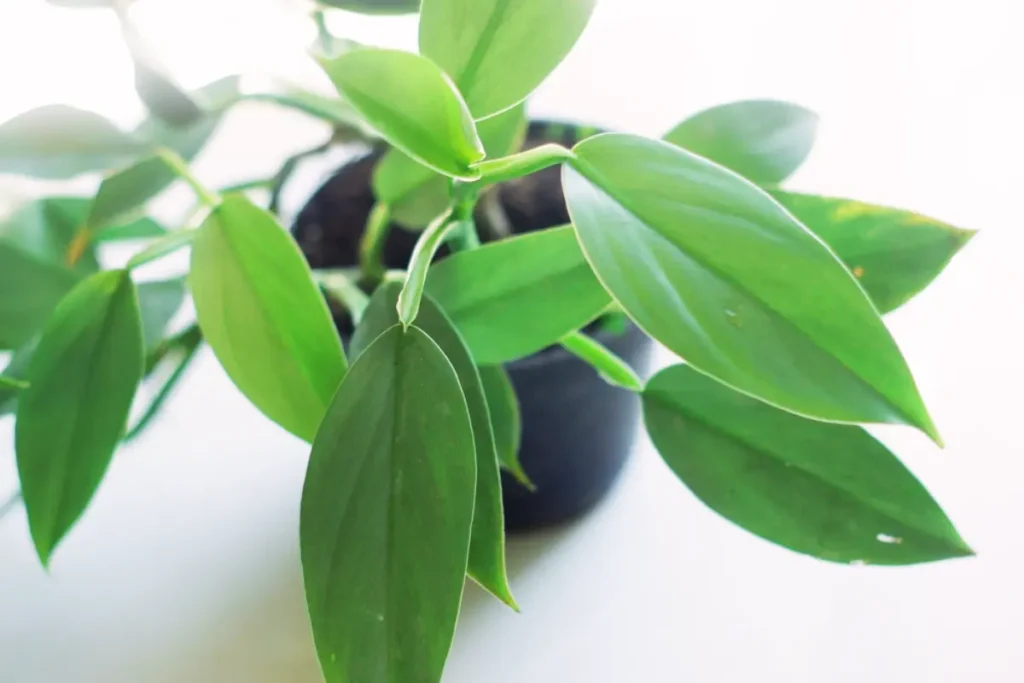
Imagine your Silver Sword as that friend who loves sunny vacations but always sits under the umbrella. It craves bright, indirect light—think near an east- or north-facing window. Too much direct sun? Hello, sunburned leaves. Too little light? Say goodbye to that gorgeous silvery sheen. So, where’s your Silver Sword sitting right now? Is it soaking up the perfect amount of light, or is it hiding in a dark corner? Let’s fix that together!
Ideal Temperature and Humidity
Think of your Silver Sword as a tropical vacationer—it loves warmth and humidity. Keep it in a cozy spot with temperatures between 65°F and 85°F and humidity around 60%–70%. If your home feels like a desert, your Silver Sword might start throwing a fit (hello, brown tips!). Try a humidifier or a pebble tray to keep it happy. Is your plant near a drafty window or a heater? Time to move it to a better spot and give it the tropical vibes it craves.
The Right Soil Mix
Picture this: your Silver Sword’s roots are like tiny adventurers—they need the perfect environment to explore and thrive. A well-draining, chunky soil mix is the way to go. Combine potting soil, perlite, and orchid bark for the perfect blend. If your Silver Sword’s sitting in heavy, soggy soil, it’s like wearing rain boots in a desert. Not ideal, right? Time to upgrade its “home” and give it the foundation it deserves.
Watering Like a Pro
Here’s a question: are you the type to over-love your plants with too much water? Guilty? Don’t worry, we’ve all been there. Your Silver Sword prefers a “less is more” approach. Water only when the top 1-2 inches of soil are dry. Stick your finger in the soil—if it feels damp, hold off on the watering can. Overwatering can lead to root rot, and trust me, that’s a headache you don’t want.
Fertilizing for Growth
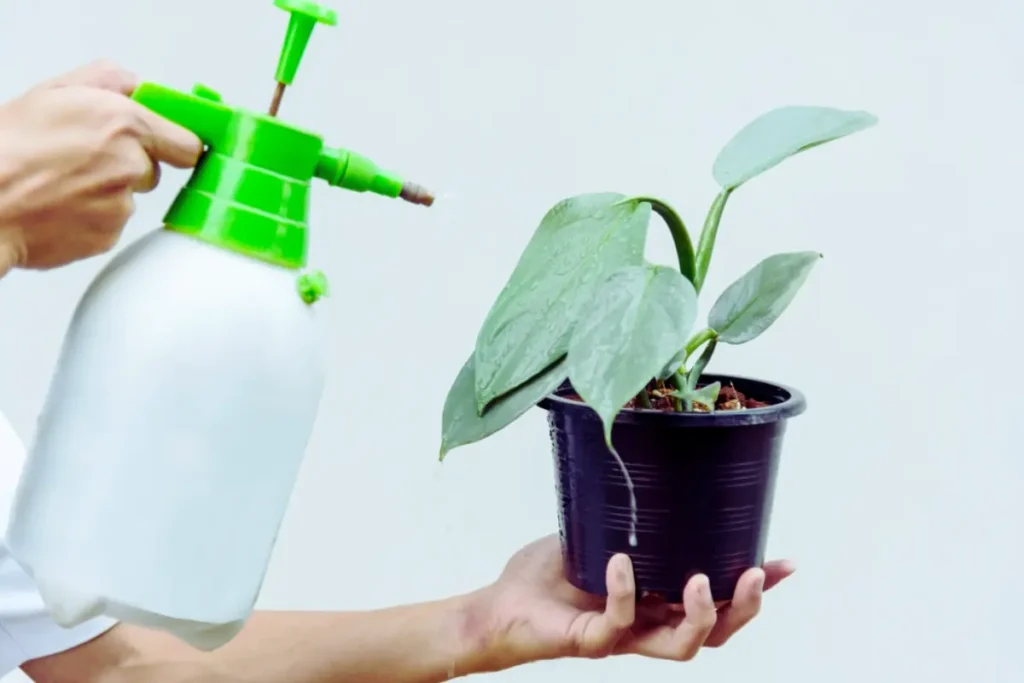
Let’s be real: plants need food, but they don’t need a buffet. Feed your Silver Sword with a balanced, diluted fertilizer every 6-8 weeks during spring and summer. Over-fertilizing can cause leaf burn, and nobody wants crispy leaves. Provide the perfect fertilizer to your silver sword and see that Your plant will thank you with lush, glossy leaves!
Pruning and Maintenance
Ever had a bad haircut? Your Silver Sword feels the same way about dead or yellow leaves. Use clean scissors to trim away any damaged foliage. This not only keeps your plant looking fresh but also directs energy to new growth. So, grab those scissors and give your Silver Sword a little “spa day”—it deserves it!
How to Propagate
Following reliable houseplant tips helps you avoid myths and needless struggling. With philodendron-silver-sword-propagation and philodendron-silver-sword-care, the method stays easy and almost peasy.
Common Problems and Solutions
Final Thoughts
Caring for your Silver Sword Philodendron doesn’t have to be complicated. With the right light, soil, water, and a little TLC, your plant will thrive and show off its stunning silvery leaves. We’ve worked hard to provide clear, actionable tips to address all your questions and concerns. Trust us—your Silver Sword is in good hands! Ready to see your plant flourish? Let’s make it happen together!